How to Plan a Content Day in a Toronto Studio
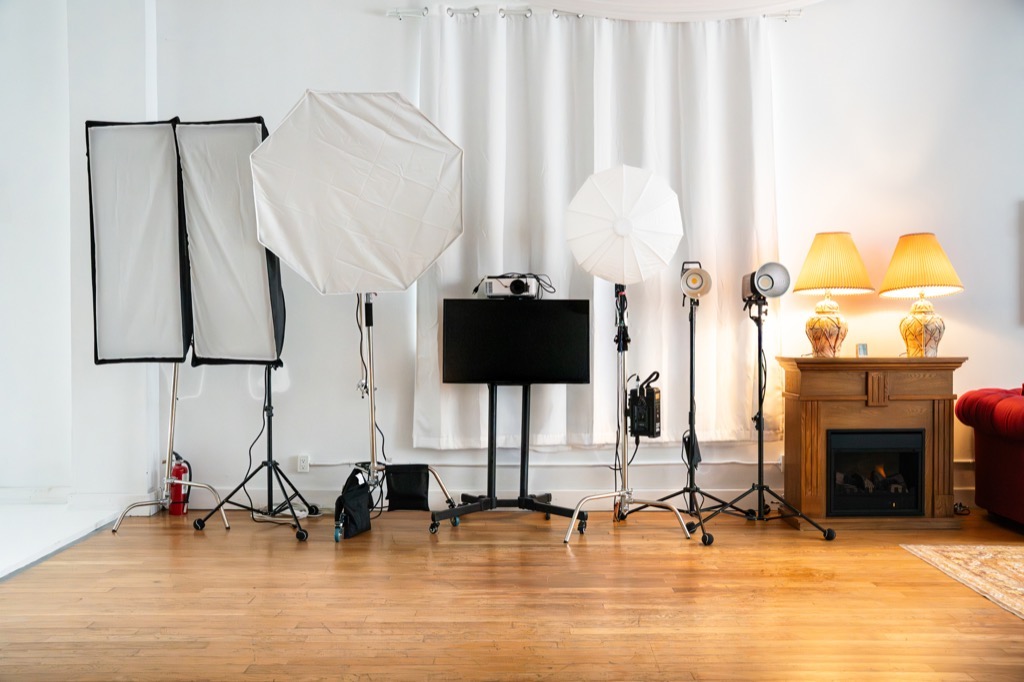
A well-planned content day in a studio can produce weeks or months of marketing assets in a single session. Done poorly, it produces rushed images, missed setups, and a stressed team. This guide covers how to structure your shot list, manage your time, and arrive fully prepared so your booking at a Toronto photo studio delivers maximum output.
Step 1: Define Your Deliverables Before You Book
Start with the end in mind. Before you even choose a booking length, list every asset you need to walk away with. Separate stills from video, and break each down by format — hero images, square crops, vertical reels, website banners, email headers. This list determines how long you actually need the studio.
A common mistake is booking 2 hours with a 3-hour shot list. Work backwards: estimate 10–15 minutes per distinct look or setup, add 15 minutes for arrival and setup, and 10 minutes at the end as buffer. If the math exceeds your booking, either cut deliverables or extend the time.
Step 2: Build a Shot List with Priorities
A shot list is not just a wish list — it is a ranked production document. Structure it with your highest-priority assets at the top. If time runs short (and it often does), you complete the most important work first.
For each item on the list, note:
- Setup location (cyclorama, styled corner, specific background)
- Light setup (natural only, strobe, reflector)
- Wardrobe or styling notes
- Orientation (horizontal, vertical, square)
- Approximate time needed
Step 3: Plan Your Wardrobe Changes Strategically
Group shots by outfit, not by set location. Changing wardrobe mid-session costs more time than moving between studio setups. Complete all setups for outfit one before switching to outfit two, even if that means doing the cyclorama and the styled corner in the same look.
Bring outfits steamed and on hangers. Dedicate 5 minutes per change in your timeline. Keep a mirror nearby and designate a changing area before the shoot begins.
Step 4: Assign Roles Before You Arrive
For small teams, this is easy to overlook. But even a two-person shoot benefits from clarity. Who is shooting? Who is directing talent? Who is managing the shot list and calling time? Without assigned roles, the session loses momentum between setups and time disappears.
Step 5: Arrive 10 Minutes Early
Studio time typically starts at your booking hour. Arriving 10 minutes early means you can park, unload, do a quick walkthrough, and begin shooting within the first few minutes of paid time instead of 20 minutes in. For a 2-hour booking, that difference is significant.
Sample Timeline: 3-Hour Content Day
- 0:00–0:15 — Arrive, unload, review shot list, confirm lighting setup
- 0:15–0:50 — Outfit 1 on cyclorama (hero stills, editorial frames)
- 0:50–1:20 — Outfit 1 in styled corner (lifestyle, detail shots)
- 1:20–1:30 — Wardrobe change to Outfit 2
- 1:30–2:10 — Outfit 2 on cyclorama (vertical formats, movement shots)
- 2:10–2:40 — Video content: reels, talking head, BTS clips
- 2:40–3:00 — Buffer: pickup shots, wild cards, pack down
Full Pre-Shoot Checklist
- Shot list finalized and ranked by priority
- Wardrobe steamed and packed by look
- Props confirmed and pre-packed
- Memory cards formatted and batteries charged
- Studio address saved, parking plan confirmed
- Talent call time set 15 minutes before booking start
- Team roles assigned
- Timeline shared with everyone attending
Making the Most of a Natural Light Studio
At Magic Studio, side natural light shifts gradually throughout the day. Morning sessions tend to produce softer, cooler tones while afternoon light warms slightly. If you have light-sensitive requirements, communicate this when booking. The natural light studio setup works well as a primary source for most portrait and lifestyle work, with the option to layer professional lights for controlled commercial outputs.
Next Steps
View Studio Pricing | Natural Light Studio Details | Read More Articles