How to Prepare for a Branding Photography Session
A personal branding session is one of the highest-leverage investments a founder, coach, or creative professional can make. The images you walk away with will represent you on your website, LinkedIn, social feeds, and press features for the next 12 to 24 months. Showing up prepared is the difference between a gallery you use everywhere and one you quietly archive.
Here is exactly how to prepare for a branding session at a professional Toronto studio so you get the most from your booking.
Start With Your Usage Plan
Before you think about what to wear, think about where the images will live. Make a list of every place you plan to use photos from this session:
- Website header or about page
- LinkedIn profile and banner
- Instagram grid and stories
- Email newsletter header
- Speaker bio or press kit
- Podcast cover art
- Promotional materials or ads
Each of these placements has different orientation and composition requirements. Website headers are wide horizontal crops. Instagram stories are vertical. LinkedIn thumbnails are tight square headshots. Share this list with your photographer so they shoot for the formats you actually need — not just what looks good in the viewfinder.
Wardrobe: Quality Over Quantity
For a 2-hour branding session, three well-chosen outfits is the right number. More than that and you spend too much time changing. Fewer and you lack variety for different platforms and moods.
What Works on Camera
- Solid colours and simple patterns — Against a white cyclorama, bold solid colours photograph beautifully. Avoid busy prints, fine stripes, and logos that date quickly.
- Your actual professional wardrobe — Wear what you wear to your best client meetings. Branding images should feel authentic, not costumed.
- A range of formality — Include one formal look, one smart-casual, and one relaxed. This gives you variety for different audiences and contexts.
What to Avoid
- White clothing against a white cyclorama — you will blend into the background
- Overly trendy pieces that will look dated in 18 months
- Clothes that are not steamed or freshly cleaned
- Accessories that distract from your face
Props: Make Them Intentional
Props are most effective when they are relevant to your work, not decorative. A business coach might bring a notebook and a coffee. A designer might bring a tablet and a sketchbook. A chef brings a knife or a pan. The prop should communicate your profession at a glance.
Limit yourself to 3–5 props total. More than that and the session starts to feel staged rather than authentic.
Prepare Your Face and Hair
Camera lenses are unforgiving in ways that normal lighting is not. A few practical steps:
- Get a haircut or trim 5–7 days before the shoot, not the day before
- For anyone wearing makeup: matte finishes photograph better than high-shine products under studio light
- Get a full night of sleep the night before — tired eyes are difficult to retouch
- Avoid heavy sodium meals the day before to reduce puffiness
On the Day: What to Bring to the Studio
- All outfits on hangers, steamed, in a garment bag
- Props pre-selected and packed
- A brief notes sheet: key poses, expressions, moods you want to capture
- Reference images on your phone (a small Pinterest or saved folder)
- Touch-up kit: lip product, powder, any items you use daily
- Water — hydration keeps your skin looking its best under lights
At Magic Studio
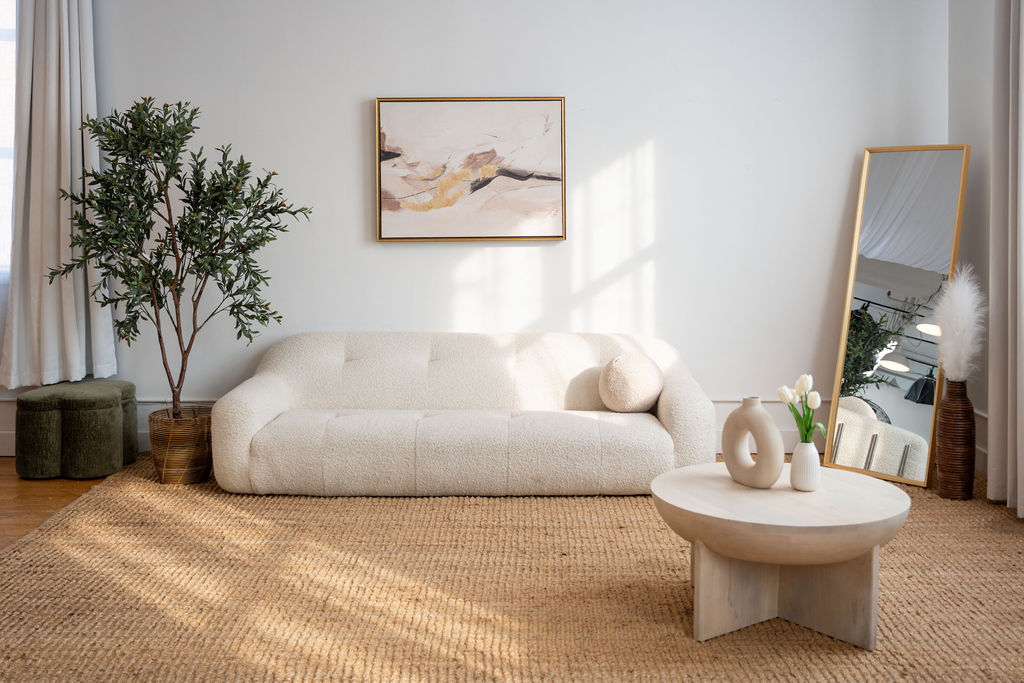
The Toronto photo studio at Magic Studio includes a private changing area, a clothing rack, mirrors, and a range of props. The white cyclorama and side natural light create a clean, minimal environment that is ideal for branding work — your personality, not the background, stays the focus of every frame.
Next Steps
View Studio Pricing | How to Plan a Content Day | Read More Articles